The Hidden Power of Anechoic Chamber: How Silence Drives Innovation at NASA and Tech Giants
When considering the cutting-edge technologies behind space missions or the sleek devices we use daily, the name NASA and leading tech companies often come to mind. A lesser-known but crucial tool they rely on is the anechoic chamber. These specialized rooms play an essential role in product testing, research, and development by creating an environment without echoes or external noise interference. This blog dives into why NASA and tech firms use these chambers extensively, how they benefit a variety of industries, and why you might find them useful as well.
Anechoic Chambers: The Silent, Controlled Testing Environment
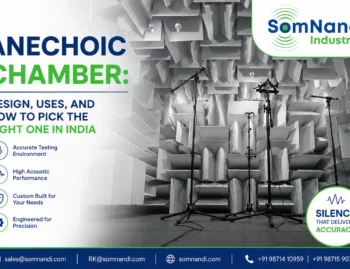
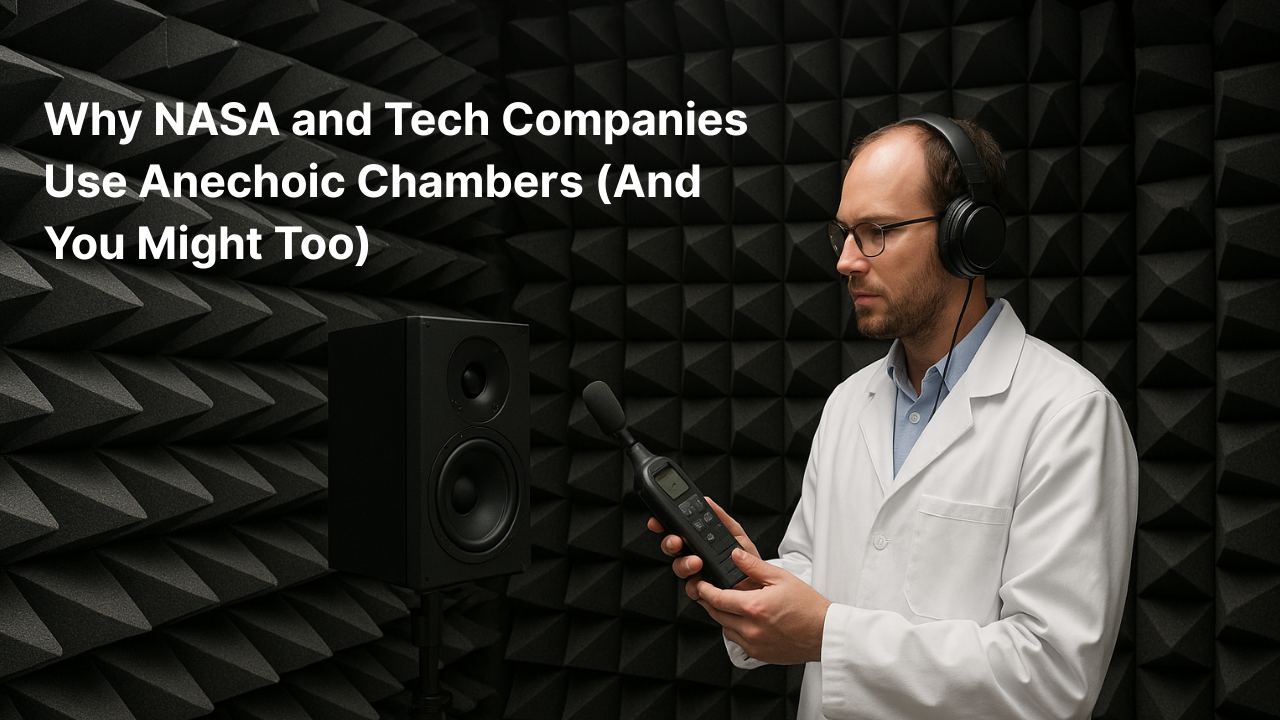
Semi Anechoic Chambers are specially designed rooms that eliminate sound reflections and external noise, making them virtually echo-free. This is achieved using sound-absorbing materials like foam wedges lining the walls, ceiling, and floor, which trap sound waves and prevent them from bouncing back. This complete suppression of echoes provides a controlled space where highly sensitive experiments and tests can be performed with incredible precision.
But NASA and big tech aren’t the only ones benefiting from these chambers. From audio equipment manufacturers to medical device makers, businesses across fields use anechoic chambers to ensure the quality, safety, and efficiency of their products.
Why NASA Uses Anechoic Chambers
NASA’s work involves sending humans and sophisticated instruments into space, where simple errors can have enormous consequences. Acoustic Anechoic Chambers help NASA achieve the precision needed for their groundbreaking work through various applications.
- Acoustic Testing: Rockets and spacecraft produce immense noise. NASA measures this noise inside chambers to protect astronauts’ hearing and certify equipment safety.
- Communications: Space missions depend on clear, uninterrupted signals. Anechoic chambers mimic space-like conditions to test antennas and communication devices, ensuring flawless signal transmission.
- Electromagnetic Compatibility (EMC): Spacecraft electronics must work flawlessly without interfering with each other. Anechoic chambers isolate electronic devices to test they operate correctly under strict electromagnetic conditions.
These chambers provide a noise- and interference-free testing space NASA requires to validate their technology before launch, making them indispensable for mission success.
How Tech Companies Use Anechoic Chambers
Leading technology companies like Apple, Samsung, and audio equipment manufacturers use anechoic chambers for product testing and innovation.
- Audio Testing: Anechoic chambers let engineers test speakers, microphones, headphones, and smartphones in conditions free from external noise and echo. This allows precise measurements of sound quality, frequency response, and noise cancellation capabilities.
- Wireless Device Testing: Devices such as Bluetooth headsets, routers, and IoT gadgets rely on strong signal clarity. Inside these chambers, engineers can evaluate antenna performance, signal strength, and interference immunity.
- Electromagnetic Interference (EMI) Testing: Tech products must comply with regulations for electromagnetic emissions. Anechoic chambers simulate environments that isolate devices from electromagnetic noise, allowing accurate emission and susceptibility testing.
Apple, for example, is known to operate many anechoic chambers worldwide, spending millions on these facilities to maintain their product quality reputation. By creating a highly controlled environment, they can detect and fix any issues early in development.
Other Industries and Applications
Beyond aerospace and consumer tech, Full Anechoic Chamber find use in various other industries:
- Automotive: Modern vehicles contain radar systems and sensors for safety features. These components must undergo strict testing in anechoic chambers to ensure reliable performance without interference.
- Medical Devices: Equipment such as MRI machines, pacemakers, and other implantables require EMC testing to meet safety standards and guarantee operation in busy hospital environments.
- Telecommunications: Telecom companies test cell tower antennas and network devices inside chambers to ensure uninterrupted communication and strong signal quality.
Acoustic Research and Noise Control: Scientists use chambers to study sound propagation, design noise reduction solutions, and test musical instruments or soundproofing materials.
Benefits of Anechoic Chambers for Business and Innovation
Anechoic chambers offer critical advantages that improve both product quality and research outcomes:
- Accuracy: Eliminating background noise and echoes enables precise measurement of sound and electromagnetic properties.
- Reproducibility: Controlled conditions mean tests can be repeated reliably, reducing errors and inconsistencies.
- Safety: Testing in chambers ensures devices meet strict regulations, particularly for noise exposure and EMC compliance, protecting users.
- Innovation: By providing a “perfect” testing environment, anechoic chambers accelerate development cycles and reduce costly recalls or field issues.
Versatility: Chambers can be tailored for acoustic testing, RF measurements, or combined electromagnetic and soundproofing capabilities, covering diverse needs.
How Anechoic Chambers Work
The magic of anechoic chambers lies in their design and materials:
- The walls, ceiling, and floor are lined with sound-absorbing wedges made from fiberglass, foam, or perforated metal.
- These wedges are shaped and sized based on the frequency ranges to be absorbed, often about one wavelength thick for maximum effect.
- The chamber’s construction blocks outside sound and electromagnetic waves, making the interior extremely quiet and free of reflections.
- Additional conductive materials can be used to absorb electromagnetic waves, ensuring radio frequency (RF) testing is unaffected by external noise.
Because of these features, anechoic chambers can reduce noise levels to near absolute silence (below the threshold of human hearing), providing unmatched test environments.
How You Might Use Anechoic Chambers
Anechoic chambers aren’t just for big corporations and space agencies. If you work in fields related to sound, electronics, or wireless technologies, consider these uses:
- Audio Engineering: Musicians, producers, and engineers can use chambers to record or test instruments and microphones without ambient noise or echo skewing the results.
- Product Testing: Designers developing any sound-producing or signal-emitting device can validate performance and compliance before launch.
- Scientific Experiments: Research in physics, acoustics, and wireless communication benefits from controlled environments to isolate effects being studied.
- Noise Reduction Solutions: Architects and engineers can simulate soundproofing techniques to optimize building designs for quieter spaces.
While building a full-scale anechoic chamber might be expensive, many companies offer scaled options or portable solutions that fit smaller budgets and workspace sizes.
Designing and Building Anechoic Chambers
Successful chamber design involves multiple factors:
- Size: Depends on the equipment being tested and frequency range. Larger chambers are needed for bigger devices and lower frequencies.
- Material: Use of high-quality absorbing materials with coefficients above 0.99 to ensure near-total absorption.
- Shape and Structure: Wedges or pyramids on all surfaces, including ceiling and floor, maintain sound absorption consistency.
- Noise Isolation: Chamber structure must block external vibrations and electromagnetic signals completely.
- Ventilation: Designed to maintain silence while allowing airflow without introducing noise.
All these must be tailored for the specific testing requirements, balancing performance and budget.
Real-World Examples of Anechoic Chambers
- The Department of Defense operates the world’s largest anechoic chamber at Edwards Air Force Base, capable of housing a B-1 bomber inside.
- NASA has multiple chambers, including the 40-foot and 60-foot chambers, designed to test antennas and instruments under precise conditions.
- Tech giants spend millions constructing chambers to test millions of products globally per year for audio, wireless, and electromagnetic performance.
Conclusion
In essence, anechoic chambers are sophisticated testing environments that NASA and leading tech companies rely on to ensure the highest standards of quality, safety, and innovation. By eliminating echoes, external noise, and electromagnetic interference, they provide unmatched conditions to test and improve products ranging from spacecraft to smartphones.
But their value doesn’t end with NASA or Silicon Valley. Whether in audio production, product development, or scientific research, anechoic chambers can provide accuracy and reliability that transforms results. Investing in or accessing anechoic chamber technology might just be the key to unlocking superior innovation and competitive advantage in many fields.
Considering building or accessing one? Many providers now offer modest-scale chambers suited for labs or studios, making this powerful technology more accessible than ever before.