
Blast Resistant Modular Buildings for Superior Building Acoustics
At SomNandi Industries, we specialize in the design, manufacture, and installation of blast resistant modular buildings that combine safety, durability, and advanced acoustic performance. These buildings are ideal for environments that demand protection from explosive hazards while maintaining a comfortable and functional internal environment. From defense facilities and industrial plants to oil and gas sites, our solutions are engineered to meet the highest standards of structural integrity and building acoustics.
In modern industrial and high-security applications, noise management is as important as structural safety. Proper acoustic control in buildings ensures better communication, reduces operational stress, and improves overall productivity. Our blast proof modular buildings integrate advanced acoustic building materials, ensuring that every structure not only protects but also delivers superior sound performance.
Understanding Building Acoustics in Blast Resistant Structures
Building acoustics is the science of controlling sound within a structure, including the reduction of unwanted noise and vibration. In industrial, defense, and high-risk environments, acoustic performance is crucial for several reasons:
- Safety Communication: Clear and audible communication is critical in operational zones, especially during emergencies.
- Noise Pollution Control: Machinery, heavy equipment, and industrial processes produce high levels of noise that can affect worker health and productivity.
- Vibration Control: Explosive forces and mechanical operations generate vibrations that may affect sensitive equipment. Proper acoustic engineering minimizes these risks.
- Comfort & Efficiency: Employees and personnel work more efficiently in acoustically optimized spaces.
Our blast resistant modular buildings are designed to optimize all these aspects using state-of-the-art acoustic building materials such as high-density panels, sound-absorbing insulation, and vibration-dampening floors. This ensures the interior environment is safe, comfortable, and operationally efficient.
Features of Blast Resistant Modular Buildings
Our modular buildings are engineered to meet stringent industrial, defense, and safety requirements. Below are the key features that set our solutions apart:
- Blast Resistant Construction:
Each building is designed to withstand explosive forces, preventing structural collapse and protecting personnel. Advanced engineering ensures that walls, roofs, and floors absorb and redirect blast energy effectively. - High-Performance Acoustic Materials:
Integrated acoustic building materials control sound transmission and reduce vibration. Acoustic panels, insulated walls, and specially designed ceilings maintain superior building acoustics while preserving blast resistance. - Modular & Customizable Design:
Modular construction allows for flexibility in layout, expansion, and relocation. These buildings can be customized to suit operational requirements, including room size, number of floors, and internal acoustic features. - Durability & Safety Compliance:
Our structures meet international safety standards, including those for blast protection and industrial operations. Materials are corrosion-resistant, fireproof, and suitable for long-term use in extreme conditions. - Operational Comfort:
Acoustic optimization ensures that personnel can communicate effectively, even in noisy industrial zones. Combined with HVAC-friendly designs, these buildings maintain a safe and comfortable working environment.
| Feature | Benefit |
| Blast Resistant Walls | Protect personnel and equipment during explosions |
| Acoustic Insulated Panels | Reduce noise and vibration for operational efficiency |
| Vibration-Dampening Floors | Safeguard sensitive machinery and reduce structural stress |
| Modular Design | Flexible layout and rapid deployment |
| Fire & Corrosion Resistant Materials | Long-lasting durability and safety compliance |
Benefits of Acoustic Control in Blast Resistant Buildings
The integration of acoustic control in buildings is critical for the safety and functionality of industrial and high-risk facilities. Some of the main benefits include:
- Enhanced Safety: Clear communication and reduced stress from high noise levels improve workplace safety.
- Operational Efficiency: Workers can focus on tasks without distraction from external or internal noise.
- Reduced Maintenance Costs: High-quality acoustic building materials are durable, lowering long-term maintenance and repair expenses.
- Regulatory Compliance: Ensures that buildings meet noise and safety regulations in industrial, defense, and chemical sectors.
- Versatility: Modular and scalable designs adapt to changing operational requirements without compromising acoustic or structural performance.
Application Areas of Blast Resistant Modular Buildings
Our blast resistant buildings are suitable for a wide range of industries that require both safety and acoustic efficiency.
| Application Area | Advantages |
| Defense Facilities | Protect personnel and sensitive equipment while maintaining clear communication during operations. |
| Industrial Plants | Reduce noise from heavy machinery, improve worker safety, and maintain operational efficiency. |
| Oil & Gas Sites | Ensure personnel safety while controlling noise from drilling, refining, and processing activities. |
| Power & Energy Plants | Protect critical infrastructure and maintain communication in high-risk environments. |
| Chemical & Manufacturing Units | Minimize noise pollution and vibrations, safeguarding employees and machinery. |
| Research Laboratories | Provide controlled acoustic environments for testing, monitoring, and precision operations. |
| Emergency Response Centers | Ensure quiet and controlled conditions for decision-making and coordination during crises. |
Why You Need Blast Resistant Modular Buildings
Industrial and defense operations face dual challenges: exposure to explosive hazards and high levels of operational noise. Traditional construction may not provide adequate protection or acoustic control. Blast resistant modular buildings address both issues by offering:
- Structural Safety: Buildings engineered to withstand blasts without collapse.
- Acoustic Optimization: Integrated soundproofing and vibration reduction improve operational conditions.
- Flexibility: Modular construction allows for rapid deployment, relocation, and expansion.
- Cost-Effective Solutions: Reduced downtime and maintenance, combined with enhanced durability, make these buildings a smart investment.
Materials Used in Blast Resistant Modular Buildings
Our buildings use high-quality acoustic building materials that not only absorb sound but also enhance structural resilience:
- High-Density Panels: Provide strength and sound absorption simultaneously.
- Insulation Materials: Reduce heat transfer and control noise between rooms and floors.
- Vibration-Dampening Flooring: Protect sensitive machinery and personnel from impact vibrations.
- Soundproof Doors and Windows: Maintain internal acoustics while ensuring blast resistance.
- Fire-Resistant Coatings: Enhance safety and extend the lifespan of modular structures.
These materials are carefully selected to meet both blast resistance and acoustic performance standards, ensuring that every building is safe, comfortable, and efficient.
Design Considerations for Optimal Building Acoustics
When designing blast proof modular buildings, several factors are considered to maximize building acoustics:
- Room Layout: Proper spacing and modular design reduce sound reflection and transmission.
- Wall Thickness & Materials: Thicker walls with high-density acoustic materials improve noise isolation.
- Ceiling & Floor Insulation: Acoustic panels on ceilings and vibration-dampening floors minimize unwanted vibrations and echo.
- Ventilation & HVAC Integration: Systems are designed to operate quietly, avoiding interference with acoustic performance.
- Customizable Modules: Depending on the operational environment, modules can be tailored for enhanced sound control in critical areas.
Advantages of Modular Construction
Choosing modular construction for blast resistant buildings offers several advantages:
- Speed of Deployment: Pre-fabricated modules can be quickly assembled onsite, reducing construction time.
- Cost Efficiency: Lower labor and material costs compared to traditional construction.
- Scalability: Buildings can be expanded or reconfigured according to operational needs.
- Quality Control: Factory fabrication ensures precision, consistent quality, and integration of acoustic building materials.
- Sustainability: Reduced waste and energy-efficient materials make modular construction environmentally friendly.
Why SomNandi Industries Is the Preferred Choice
At SomNandi Industries, we provide comprehensive solutions for blast resistant modular buildings with a strong focus on building acoustics.
Our services include:
- Consultation & Design: Tailored solutions to meet your operational, safety, and acoustic requirements.
- Manufacturing Excellence: Use of high-quality materials and advanced fabrication techniques.
- Professional Installation: Rapid, safe, and precise onsite assembly.
- After-Sales Support: Maintenance, upgrades, and acoustic performance optimization.
By choosing us, you invest in a building that ensures:
- Maximum safety against blast hazards.
- Superior acoustic control in buildings.
Long-term durability and reduced operational costs.
Conclusion
In high-risk industries, safety and operational efficiency are non-negotiable. Blast resistant modular buildings from SomNandi Industries offer a unique combination of structural strength, rapid deployability, and superior building acoustics. Our use of advanced acoustic building materials, coupled with flexible modular design, ensures that your facility is safe, productive, and comfortable.
Investing in our blast proof modular buildings means protecting your workforce, safeguarding equipment, and improving operational efficiency, all while complying with industry standards for safety and noise control.
Take the first step towards a safer, quieter, and more efficient working environment by contacting SomNandi Industries today for a consultation, quote, or custom design solution.
FAQs on Building Acoustics
Building acoustics is the study and design of how sound behaves within a building. It focuses on controlling noise, improving speech clarity, and enhancing overall sound quality in spaces like offices, auditoriums, homes, and industrial buildings. Good building acoustics ensure comfort, privacy, and a productive environment.
Good acoustics in a building are achieved through:
Soundproofing: Preventing unwanted noise from entering or leaving a space.
Absorption materials: Using acoustic panels, ceilings, or carpets to reduce echoes and reverberation.
Proper room shape and design: Avoiding surfaces that cause sound reflections.
Strategic placement of furniture and fixtures: Soft furnishings help absorb sound naturally.
The three main types of building acoustics are:
Room acoustics: Deals with sound quality inside a space, including echoes, reverberation, and clarity.
Building envelope acoustics: Focuses on preventing outside noise, like traffic or industrial sound, from entering the building.
Mechanical/acoustic systems: Concerned with reducing noise from HVAC systems, elevators, and other mechanical equipment.
Acoustic design of a building is the process of planning and implementing solutions to control sound within and around a building. It includes selecting acoustic materials, optimizing room shapes, using sound barriers, and integrating noise-reducing systems to create a comfortable and functional sound environment.
OUR SOLUTIONS
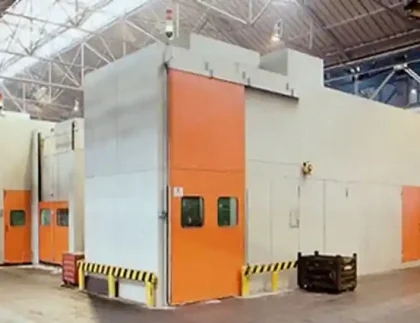
Somnandi Industries Is A Pioneer In Design & Build Industrial Noise Control Products & Acoustic Consultancy Services.

Somnandi Industries Has A Brilliant Record In Responding To Complex Customer Requirements Of Blast & Bulletproof Proof Products.
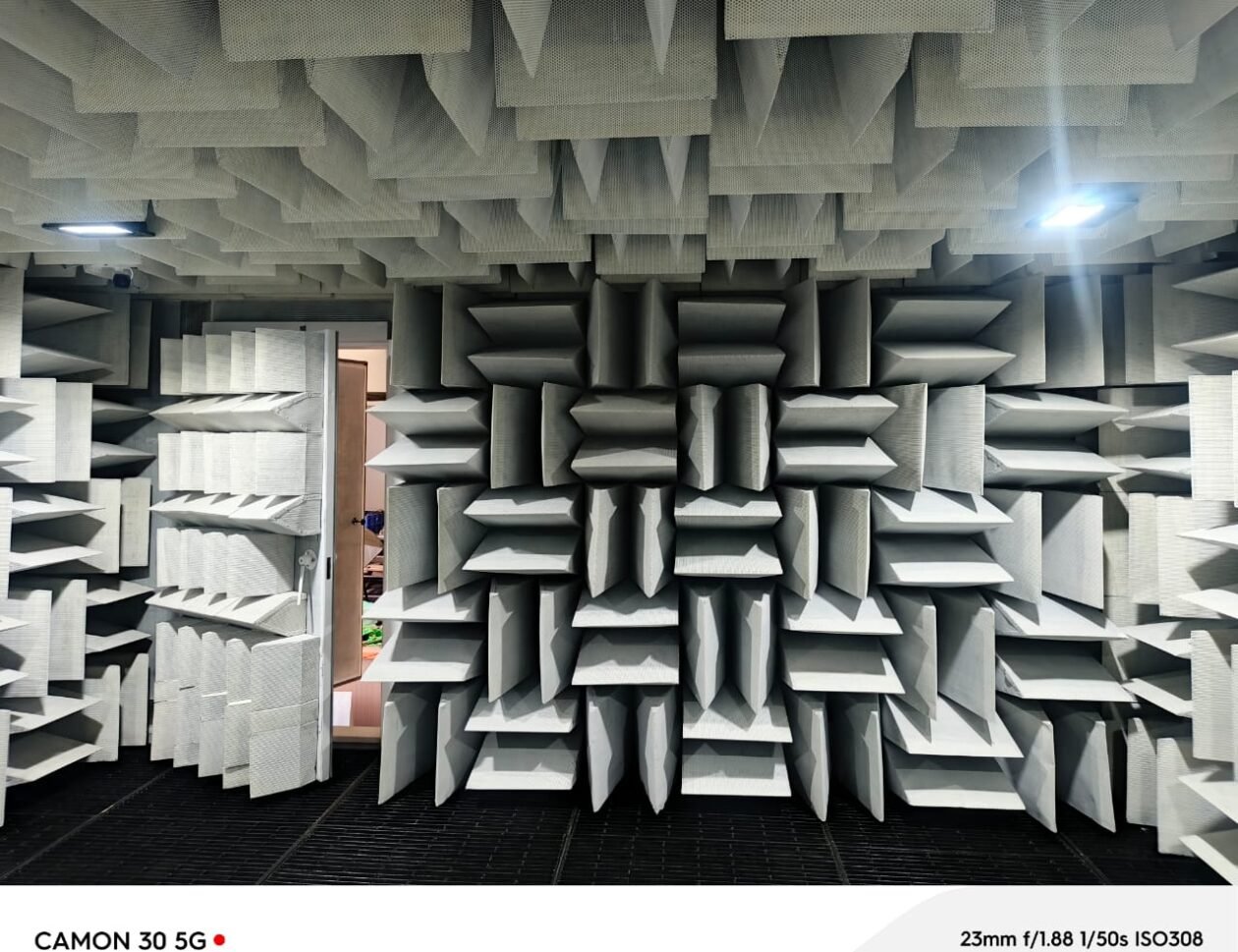
Somnandi Industries designs & builds all types of test facilities associated with Noise Testing Chambers for automobiles.