
Serving Industries Across India
Acoustic Doors Manufacturer in India
Soundproof Doors in Wood & Steel, STC 33 to 64, With Fire-Rated and Air-Tight Options
Summary: An acoustic door is a door, frame and seal set engineered as one system to stop sound passing through an opening. A soundproof door is only as strong as its weakest seal. This page is written for architects, contractors and facility managers who need certified soundproof doors for offices, hotels, hospitals, studios, plant rooms and factories.
We manufacture acoustic wooden doors, steel acoustic doors, wooden fire doors and air-tight doors in-house, in standard and custom sizes.
- STC 33 to 54 in wood and steel, up to STC 64 heavy-duty
- Independent lab testing, separate fire certification
- ISO certified manufacturer · 150+ projects delivered
SomNandi Industries is an acoustic doors manufacturer in India making soundproof doors in wood and steel for offices, conference rooms, hotels, hospitals, multiplexes, recording studios, generator rooms and factories. Every acoustic door is designed as one system of core, frame and seals, rather than three parts bolted together. Our range runs from STC 33 to STC 54, with heavy-duty STC 54 to 64 doors for boiler rooms, generator rooms and broadcast studios.
Why Rooms Need Soundproof Doors, Not Just Heavy Doors
Walls are usually heavy and continuous; doors are light and surrounded by gaps. Even a solid-looking door lets sound through the perimeter and the gap under the leaf, so a meeting room, studio or hospital ward with a standard door rarely achieves the privacy the walls were designed for.
An acoustic door closes that gap with a dense core, a matching frame and continuous seals designed to work together.
What Is an Acoustic Door?
An acoustic door, also called a soundproof door or sound resistant door, is a door leaf, frame and seal set built to a tested Sound Transmission Class (STC). SomNandi manufactures four product lines in-house: acoustic wooden doors, our most requested range, for offices, hotels, hospitals, schools and theatres; steel and metal acoustic doors for heavy-duty industrial and venue use; wooden fire doors with a dense core and heat-sealing strips that combine fire rating with sound control; and air-tight doors that add pressure and draft sealing for cleanrooms, server rooms and pharma areas.
Wooden vs Steel Acoustic Doors: What Actually Changes?
Short answer: Both are available from STC 33 to STC 54. Wood offers the best mix of weight, cost and finish options for offices, hotels and hospitals; steel is the choice for factories, live venues and plant rooms where the door takes heavy daily use, and for the heaviest STC 54 to 64 ratings.
Steel doors can also be supplied with acoustic glass fitted at our factory, for openings where you need to see through the door and still block sound.
How Do Acoustic Door Seals Stop Sound?
Short answer: By closing every air gap around the leaf: perimeter gaskets on the frame and a seal at the threshold, designed together with the frame and leaf so they compress evenly when the door shuts.
Sound follows air, so a single unsealed gap can undo the performance of a heavy core. SomNandi designs the frame, gasket and leaf as one unit, and uses wear-resistant seals and reinforced hinges so the acoustic door seal still performs after years of daily use.
Engineering Design and Construction Approach
Each order starts with the opening and the noise problem: room use, the noise to block, fire and pressure requirements, and the frame or wall type. From there we select the core, seals, frame and hardware; make the door in-house in standard or custom sizes; test door and frame sets at independent labs, with fire-rated products certified separately; and supply and install. We use heavy-duty hardware that local installers can easily find and service.
Field Notes: Where Acoustic Door Projects Go Wrong
Most failures come from treating the door as a product rather than a system: a high-STC leaf hung in a standard frame without matching seals, or a door fitted to a wall with gaps around the frame. The second is a door that passes the lab test but degrades in service: hinges sag, seals wear and cores swell in humid weather. SomNandi’s reinforced hinges, wear-resistant seals and moisture-stable cores are built to hold their rating for years, not just on installation day.
Technical Specifications Overview
| Technical Parameter | Standard Specification Range | Performance Advantage |
|---|---|---|
| Acoustic Rating | STC 33 to 54 (wood and steel) | Matched to the room's privacy need |
| Heavy-Duty Rating | STC 54 to 64 | Boiler rooms, generator rooms, broadcast studios |
| Fire Option | Wooden fire doors with dense core and heat-sealing strips | Fire rating and sound control in one door |
| Air-Tight Option | Pressure and draft sealing | Cleanrooms, server rooms, pharma |
| Vision Panel | Factory-fitted acoustic glass (steel doors) | Visibility without noise leakage |
| Finishes | Laminate, veneer, painted MDF | Matches the interior |
| Sizing | Standard and custom, single or double leaf | Fits retrofits and odd openings |
Technical Data Sheet
| Parameter | Specification |
|---|---|
| Product Name | Acoustic Doors / Soundproof Doors |
| Materials | Wood and steel |
| STC Range | 33 to 64 |
| Types | Acoustic wooden, steel, wooden fire, air-tight |
| Finishes | Laminate, veneer, painted MDF |
| Testing | Independent lab testing; separate fire certification |
| Supply | Single units or matching pairs, standard or custom sizes |
Specifications, Benefits, Applications and Installation Process for Acoustic Doors
Acoustic and Fire Ratings Explained
Sound Transmission Class (STC) is a single-number rating of how well a partition or door blocks airborne sound, derived under ASTM E413 from laboratory measurements. Higher numbers mean better isolation. As a guide, STC 33 to 45 suits most offices and conference rooms, while studios, plant rooms and broadcast spaces need higher ratings. SomNandi door and frame sets are tested at independent labs, and fire-rated products are certified separately before they are labelled and shipped.
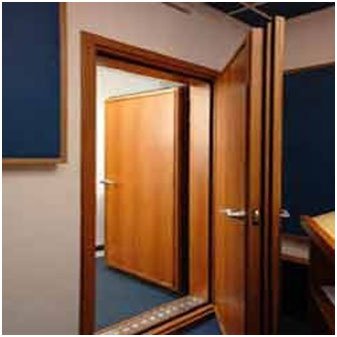
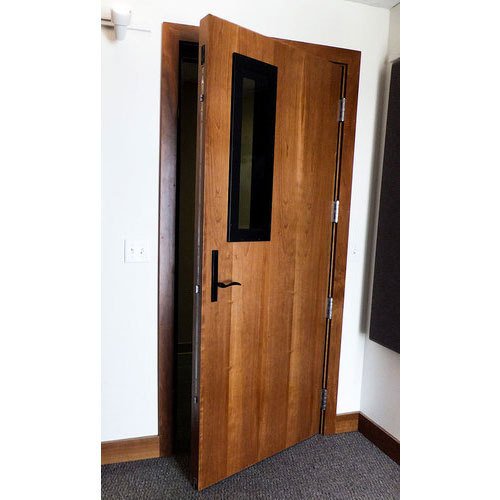
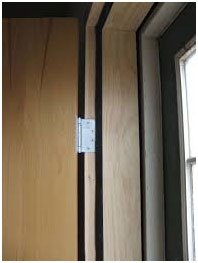
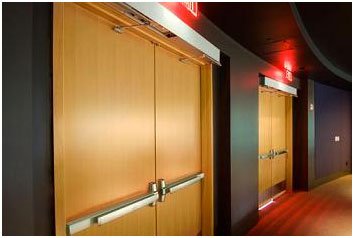
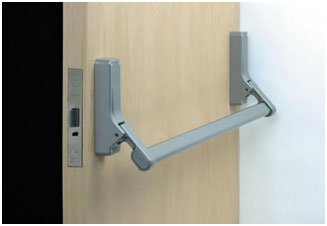
Acoustic Wooden Doors: Project Gallery
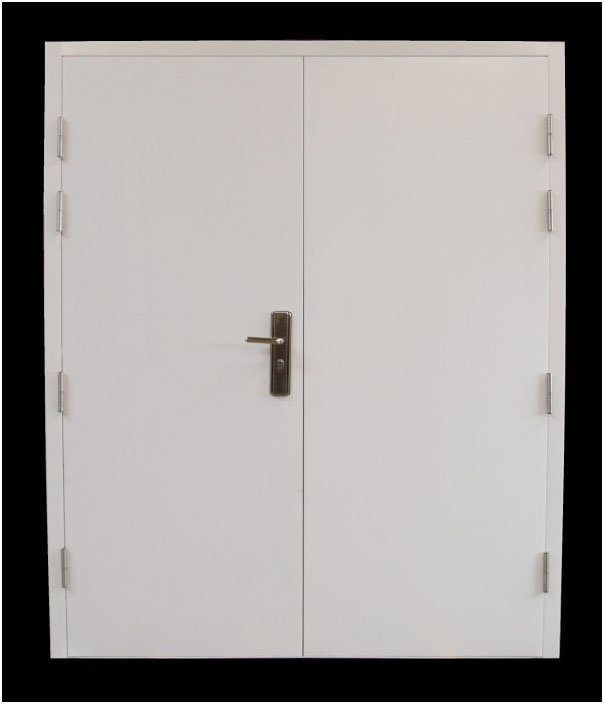
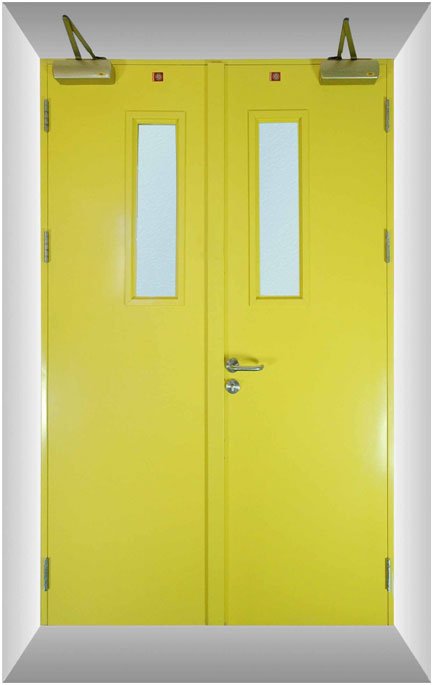
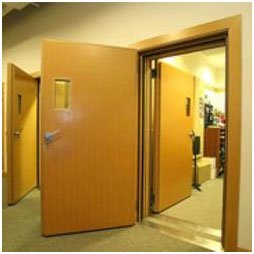
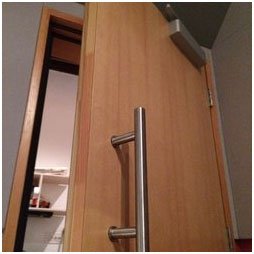
A selection of SomNandi acoustic wooden doors installed across offices, hospitality and institutional projects.
Related Guides and Case Studies
Frequently Asked Questions
Doors between STC 33 and STC 45 work well for most offices and conference rooms. The right choice depends on how much noise you need to block and how sensitive the room is.
Yes. SomNandi makes acoustic wooden doors and metal acoustic doors in-house, from STC 33 up to STC 64.
Yes. Many of our wooden fire doors already include acoustic cores and seals.
Air-tight doors add pressure and draft sealing on top of sound control, for cleanrooms, server rooms and pharma areas.
Perimeter gaskets and a threshold seal close every air gap when the door shuts. They are designed with the frame and leaf as one system.
Yes, regularly, especially for retrofit projects and unusual openings.
Yes, for steel doors. Acoustic glass is fitted at our factory.
Door and frame sets are tested at independent labs, and fire-rated products go through separate certification.
The STC rating, material, size, fire or air-tight requirements, glazing and finish. Send your drawings for a specification and quote.
Get an Acoustic Door Specification and Quote from SomNandi Industries
Send your drawings or opening sizes and tell us what each room is used for, and SomNandi's team will recommend the right STC rating, material, fire and seal specification before you place an order.